

Are EVA Hot Melts for Bookbinding Suitable for Binding Storybooks?

Hey there, fellow book lovers and publishers! I'm a supplier of EVA hot melts for bookbinding, and I've been getting a lot of questions lately about whether these adhesives are a good fit for binding storybooks. Well, let's dive right in and explore this topic.
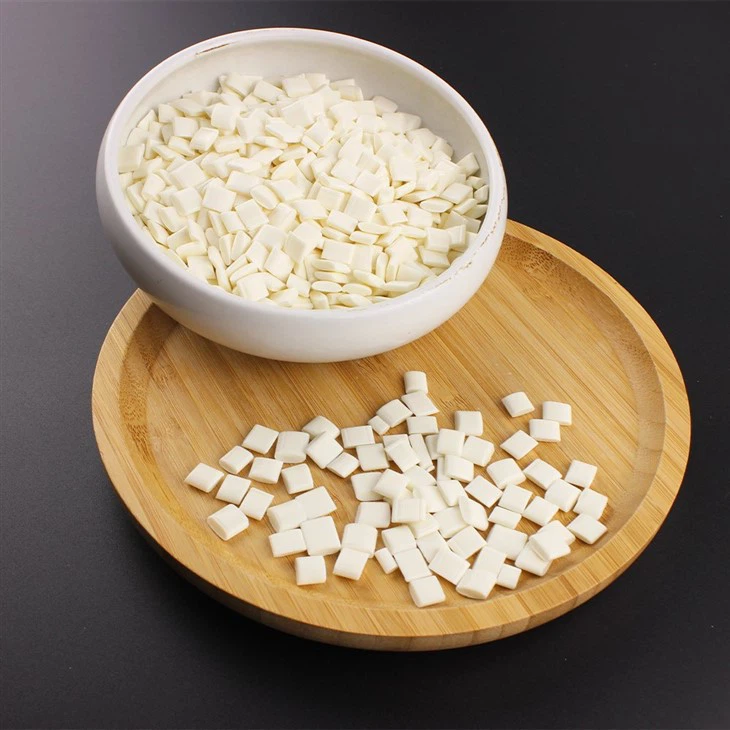
First off, let's talk about what EVA hot melts are. EVA stands for ethylene-vinyl acetate, and these hot melts are a type of adhesive that's widely used in the bookbinding industry. They come in solid form and are melted down using a hot melt glue gun or a specialized bookbinding machine. Once melted, they can quickly bond the pages of a book together, providing a strong and durable hold.
One of the main advantages of using EVA hot melts for binding storybooks is their speed. When you're dealing with a large number of books, time is of the essence. EVA hot melts set quickly, which means you can get your storybooks bound and out the door in no time. This is especially important for publishers who have tight deadlines to meet.
Another great thing about EVA hot melts is their flexibility. Storybooks often go through a lot of wear and tear, especially if they're being read by kids. EVA hot melts can withstand bending and folding without breaking, which helps to keep the pages of the storybook intact. This means that your storybooks will last longer, even with frequent use.
In addition to their speed and flexibility, EVA hot melts also offer good adhesion. They can bond well to a variety of materials, including paper, cardboard, and fabric. This makes them a versatile choice for binding storybooks, as you can use them with different types of covers and pages.
Now, let's take a look at some of the potential drawbacks of using EVA hot melts for binding storybooks. One issue is that they can be a bit messy to work with. When the hot melt is melted, it can drip or splatter if you're not careful. This can be a problem, especially if you're working in a clean environment or if you're binding expensive storybooks.
Another concern is that EVA hot melts can be affected by temperature and humidity. In hot and humid conditions, the adhesive may soften and become less sticky. On the other hand, in cold temperatures, it may become brittle and crack. This means that you need to store and use your EVA hot melts in a controlled environment to ensure optimal performance.
So, are EVA hot melts for bookbinding suitable for binding storybooks? The answer is yes, in most cases. They offer a number of benefits, such as speed, flexibility, and good adhesion, which make them a great choice for binding storybooks. However, you need to be aware of the potential drawbacks and take steps to minimize them.
If you're interested in using EVA hot melts for binding your storybooks, I recommend checking out our Book Binding Glue Eva Hot Melt Adhesive and Book Binding Hot Melt Glue products. These are high-quality adhesives that are specifically designed for bookbinding and can provide excellent results.
We also offer Bookbinding Hot Melt Glue in different formulations to meet your specific needs. Whether you're binding hardcover or paperback storybooks, we have the right adhesive for you.
If you have any questions or would like to discuss your bookbinding needs further, feel free to reach out to us. We're here to help you find the best solution for binding your storybooks and ensuring that they look great and last for years to come.
In conclusion, EVA hot melts for bookbinding can be a great option for binding storybooks. They offer a number of advantages, but you need to be aware of the potential challenges and take appropriate measures. So, if you're looking for a reliable and efficient adhesive for your storybook binding projects, give EVA hot melts a try.
References:
- General knowledge of the bookbinding industry and EVA hot melt adhesives.