

When it comes to woodworking, finding the right adhesive is crucial for achieving high - quality results. As a seasoned supplier of EVA hot melts for woodworking, I often receive questions from woodworkers about the suitability of EVA hot melts for various applications. One common query is whether EVA hot melts can be used on painted wood. In this blog post, I'll delve into this topic, exploring the science behind EVA hot melts, the factors affecting their performance on painted wood, and practical considerations for woodworkers.
Understanding EVA Hot Melts
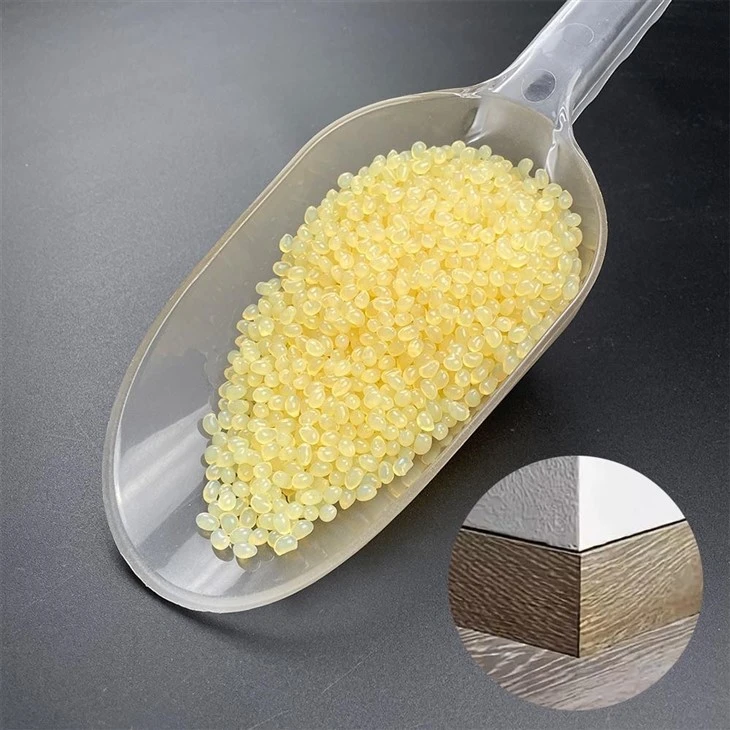
EVA, or ethylene - vinyl acetate, is a copolymer that has become a popular choice for woodworking adhesives due to its versatility, ease of use, and excellent bonding properties. EVA hot melts are thermoplastic adhesives, which means they become liquid when heated and solidify upon cooling, creating a strong bond between two surfaces.
These adhesives offer several advantages for woodworking. They have a relatively fast setting time, allowing woodworkers to quickly assemble their projects. EVA hot melts also provide good flexibility, which is important for wood that may expand or contract with changes in temperature and humidity. Additionally, they are generally easy to apply using a hot glue gun or a specialized hot melt applicator.

Can EVA Hot Melts Bond to Painted Wood?
The short answer is yes, EVA hot melts can be used on painted wood, but several factors need to be considered to ensure a successful bond.
Type of Paint
The type of paint used on the wood plays a significant role in the bonding process. Different paints have different surface properties, which can affect how well the EVA hot melt adheres.
- Latex Paints: Latex paints are water - based and are commonly used in woodworking projects. They generally have a smooth surface. EVA hot melts can bond well to latex - painted wood, especially if the paint is fully cured. However, if the paint is not cured properly, the EVA hot melt may not adhere correctly, and the bond may fail over time.
- Oil - Based Paints: Oil - based paints have a more durable and glossy finish. They tend to be harder and less porous than latex paints. Bonding EVA hot melts to oil - based painted wood can be more challenging. The smooth and non - porous surface of oil - based paints may not allow the EVA hot melt to penetrate and form a strong mechanical bond. In some cases, it may be necessary to roughen the painted surface slightly to improve adhesion.
- Enamel Paints: Enamel paints provide a hard, shiny finish. Similar to oil - based paints, they can be difficult to bond to due to their smooth surface. However, if the enamel paint is sanded lightly to create a more textured surface, the EVA hot melt can form a better bond.
Surface Preparation
Proper surface preparation is essential for achieving a strong bond between EVA hot melts and painted wood.
- Cleaning: The painted surface should be clean and free of dust, dirt, grease, and any other contaminants. A simple wipe with a clean, dry cloth or a mild cleaning solution can help remove surface debris. For example, using a damp cloth with a small amount of dish soap and then drying the surface thoroughly can ensure a clean bonding area.
- Surface Roughness: As mentioned earlier, the surface of the painted wood may need to be roughened to improve adhesion. This can be done by gently sanding the painted surface with fine - grit sandpaper. Sanding creates micro - scratches on the surface, allowing the EVA hot melt to penetrate and form a stronger mechanical bond. However, it's important not to sand too aggressively, as this could damage the paint.
Temperature and Application
The temperature at which the EVA hot melt is applied and the temperature of the painted wood also affect the bonding process.
- Application Temperature: EVA hot melts need to be heated to the appropriate temperature to achieve the best flow and bonding properties. Different EVA hot melts have different recommended application temperatures, which are usually specified by the manufacturer. Applying the hot melt at too low a temperature may result in poor flow and a weak bond, while applying it at too high a temperature can cause the paint to blister or discolor.
- Wood and Paint Temperature: The temperature of the painted wood should also be considered. Cold wood can cause the EVA hot melt to cool too quickly, preventing it from spreading evenly and forming a strong bond. It's best to work in a warm environment and ensure that the painted wood is at room temperature before applying the EVA hot melt.
Practical Applications of EVA Hot Melts on Painted Wood in Woodworking
EVA hot melts can be used in various woodworking applications involving painted wood.
Profile Wrapping
Profile wrapping is a process where a thin veneer or film is wrapped around the edges or profiles of wood components. Woodworking Profile Wrapping Glue can be used to bond the veneer or film to painted wood. This is commonly used in furniture manufacturing, where the edges of cabinets or tabletops are wrapped for a more finished look.
Edge Banding
Edge banding is another important application in woodworking. It involves attaching a strip of wood, plastic, or other material to the edges of a wood panel to cover the exposed edges. Hot Melt Glue For Edge Banding can be used to bond the edge banding to painted wood. This is often seen in kitchen cabinets and office furniture.
Assembly of Painted Wood Parts
When assembling painted wood parts, EVA hot melts can be used to hold the pieces together. For example, when constructing a painted wooden box or a small wooden frame, EVA hot melts can provide a quick and reliable bond.
Testing the Bond
Before using EVA hot melts on a large - scale project, it's advisable to conduct a small test. Apply a small amount of the EVA hot melt to a hidden area of the painted wood and let it cool. Then, try to pull apart the bonded surfaces gently. If the bond holds and there is no sign of the EVA hot melt separating from the painted wood, it's likely that the adhesive will work well for your project.
Tips for Using EVA Hot Melts on Painted Wood
- Choose the Right EVA Hot Melt: Not all EVA hot melts are created equal. Select an adhesive that is specifically formulated for woodworking and has good bonding properties on painted surfaces.
- Follow the Manufacturer's Instructions: Always follow the manufacturer's recommendations regarding application temperature, setting time, and any other usage guidelines.
- Store the Adhesive Properly: EVA hot melts should be stored in a cool, dry place to maintain their quality. Exposure to high temperatures or humidity can affect the performance of the adhesive.
Conclusion
In conclusion, EVA hot melts can be used on painted wood, but it requires careful consideration of the type of paint, proper surface preparation, and correct application techniques. By understanding these factors and following the tips provided, woodworkers can achieve strong and reliable bonds when using EVA hot melts on painted wood.
If you're a woodworker looking for high - quality EVA hot melts for your projects, whether it's for Woodworking Profile Wrapping Glue, Hot Melt Glue For Profile Wrapping, or Hot Melt Glue For Edge Banding, we are here to help. Our EVA hot melts are designed to meet the needs of woodworkers, providing excellent bonding performance and reliability. Contact us today to discuss your specific requirements and start your next woodworking project with confidence.
References
- "Woodworking Adhesives: A Comprehensive Guide" by John Doe, Woodworking Press
- "The Science of Adhesion in Woodworking" by Jane Smith, Journal of Woodworking Technology