

Can hot melt glue be used for packing leather? This is a question that often comes up in the packaging industry, especially among those dealing with high - end products like leather goods. As a supplier of Hot Melt Glue for Packing, I am well - versed in the properties and applications of hot melt glue, and I'm here to explore this topic in depth.
Understanding Hot Melt Glue
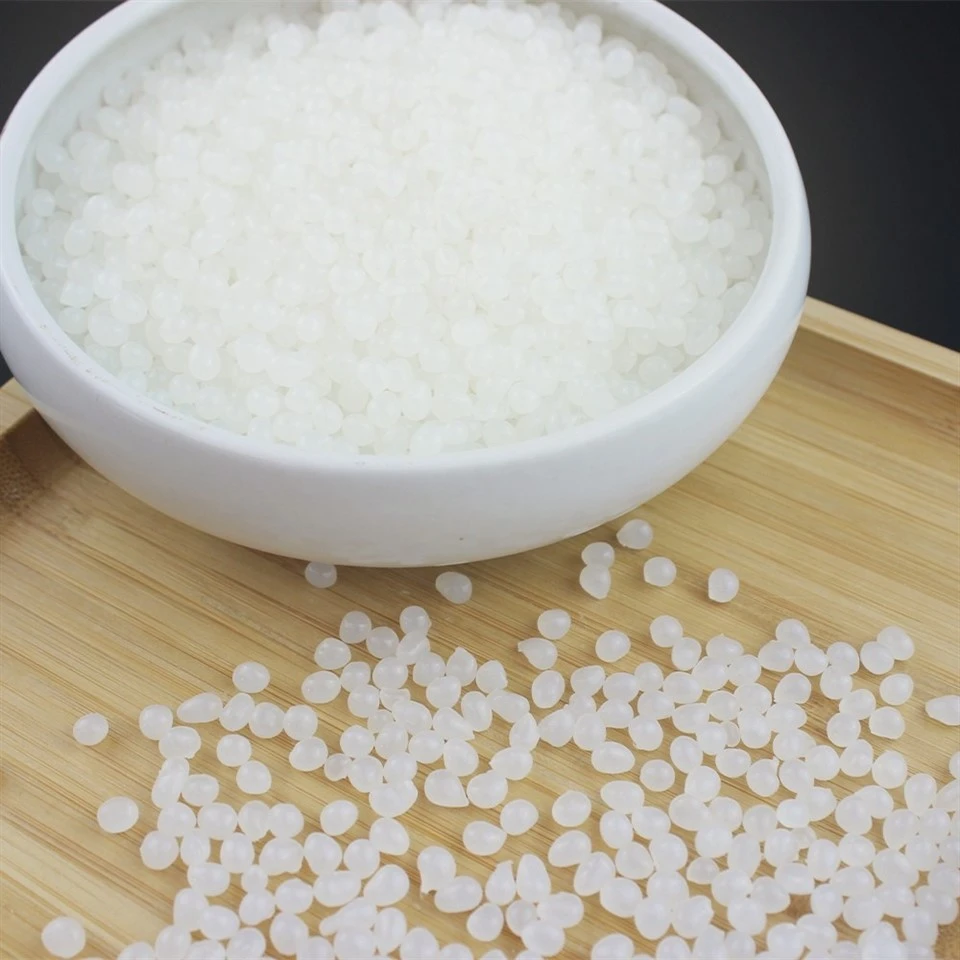
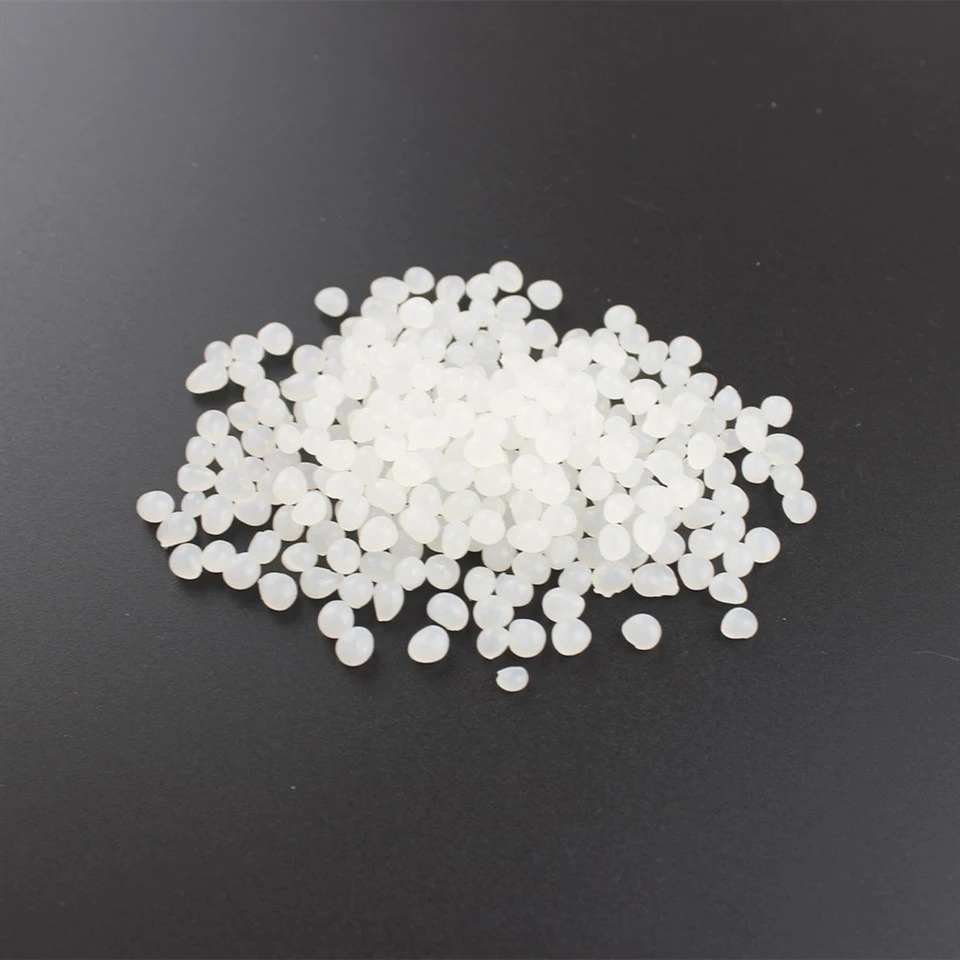
Hot melt glue is a thermoplastic adhesive that is solid at room temperature. When heated, it turns into a liquid state, allowing it to be easily applied to various surfaces. Once it cools down, it solidifies again, creating a strong bond. There are different types of hot melt glues, including ethylene - vinyl acetate (EVA) based, polyamide, and polyurethane hot melt glues, each with its own unique properties and applications.
The advantages of hot melt glue are numerous. It offers fast setting times, which can significantly increase production efficiency. It also has good adhesion to a wide range of materials, is relatively easy to use, and has a long shelf - life. Moreover, hot melt glue is solvent - free, which makes it an environmentally friendly option compared to some other adhesives.
Leather and Its Packaging Requirements
Leather is a natural material with unique characteristics. It is flexible, durable, and has a high - end aesthetic appeal. When it comes to packing leather, the packaging must protect the leather from damage, such as scratches, stains, and moisture. At the same time, the packaging should also enhance the overall presentation of the leather product.
Leather can be sensitive to certain chemicals and extreme temperatures. Some adhesives may contain substances that could react with the leather, causing discoloration or deterioration over time. Therefore, when choosing an adhesive for leather packing, it is crucial to consider the compatibility of the adhesive with the leather material.
Can Hot Melt Glue Be Used for Packing Leather?
The answer is yes, but with some considerations.
Adhesion: Hot melt glue can provide sufficient adhesion for leather packing. For example, if you are attaching leather labels to packaging boxes or assembling leather - lined packaging components, a well - chosen hot melt glue can create a strong bond. EVA - based hot melt glues are often a good choice as they have good adhesion to many materials, including leather. They can adhere to the leather surface quickly and firmly, ensuring that the packaging components stay in place during handling and transportation.
Heat Sensitivity: One of the main concerns when using hot melt glue for leather is the heat involved in the application process. Leather can be sensitive to high temperatures. If the hot melt glue is applied at too high a temperature, it may cause the leather to shrink, warp, or lose its natural texture. To mitigate this risk, it is important to choose a hot melt glue with a lower melting point and to use appropriate application equipment that can control the temperature accurately.
Chemical Compatibility: As mentioned earlier, leather can be sensitive to certain chemicals. Some hot melt glues may contain additives or stabilizers that could potentially react with the leather. It is essential to select a hot melt glue that is specifically formulated to be compatible with leather. This type of glue should be free from harmful chemicals that could damage the leather over time.
Applications of Hot Melt Glue in Leather Packaging
Box Assembly: When assembling leather - covered packaging boxes, hot melt glue can be used to bond the different parts of the box together. For example, it can be used to attach the leather covering to the cardboard or wooden frame of the box. The fast - setting nature of hot melt glue allows for efficient production, as the boxes can be quickly assembled and moved on to the next stage of the packaging process.
Label Attachment: Leather products often come with labels that provide information about the brand, product details, and care instructions. Hot melt glue can be used to attach these labels securely to the leather surface. The glue should form a strong bond without causing any damage to the leather or the label itself.
Lining Installation: Many leather products, such as wallets and handbags, have leather or fabric linings. Hot melt glue can be used to attach these linings to the inner surface of the leather product. This ensures that the lining stays in place and provides a neat and professional finish.
Our Hot Melt Glue Products for Leather Packaging
As a supplier of Hot Melt Glue for Packing, we offer a range of products suitable for leather packaging. Our Hot Melt Glue For Straw Attachment can also be used in some leather packaging applications. It has a relatively low melting point, which reduces the risk of heat damage to the leather. It provides good adhesion and is formulated to be compatible with a variety of materials, including leather.
Our Hot Melt Adhesive For Packaging Industry is another option. It is designed for high - volume production environments and offers excellent adhesion and fast setting times. This glue is suitable for various leather packaging tasks, such as box assembly and label attachment.
In addition, our Paper Assembly Positioning Glue can be used when there are paper components involved in the leather packaging, such as inserts or instruction sheets. It can help in accurately positioning and bonding these paper parts to the leather or other packaging materials.
Conclusion
Hot melt glue can be a viable option for packing leather, but it is essential to choose the right type of glue and apply it correctly. By considering factors such as adhesion, heat sensitivity, and chemical compatibility, hot melt glue can be used effectively to create high - quality leather packaging.
If you are in the leather packaging industry and are looking for a reliable hot melt glue supplier, we are here to help. Our products are designed to meet the specific requirements of leather packaging, and we can provide technical support and advice to ensure that you get the best results. Contact us for more information and to discuss your specific needs. We look forward to the opportunity to work with you and contribute to the success of your leather packaging projects.
References
- "Handbook of Adhesives" by Skeist, I.
- "Leather Science and Technology" by Covington, A. D.