

Can I use hot glue for binding a book with a hardcover and dust jacket?
When it comes to bookbinding, especially for books with hardcovers and dust jackets, the choice of adhesive is crucial. As a supplier of hot glue for bookbinding, I often get asked whether hot glue is a suitable option for this particular task. In this blog post, I'll delve into the pros and cons of using hot glue for binding books with hardcovers and dust jackets, and provide some insights to help you make an informed decision.
Advantages of Using Hot Glue for Book Binding
One of the primary advantages of using hot glue for book binding is its ease of use. Hot glue guns are readily available and relatively inexpensive, making them accessible to hobbyists and professional bookbinders alike. The glue heats up quickly and can be applied precisely, allowing for a clean and efficient binding process.
Another benefit is the fast drying time of hot glue. Once applied, it sets within seconds, which means you can move on to the next step of the binding process without having to wait for the glue to dry. This is particularly useful when you're working on a large number of books or need to complete a project quickly.
Hot glue also provides a strong bond. It adheres well to a variety of materials, including paper, cardboard, and fabric, which are commonly used in bookbinding. This ensures that the pages of the book stay together firmly, even with regular use.
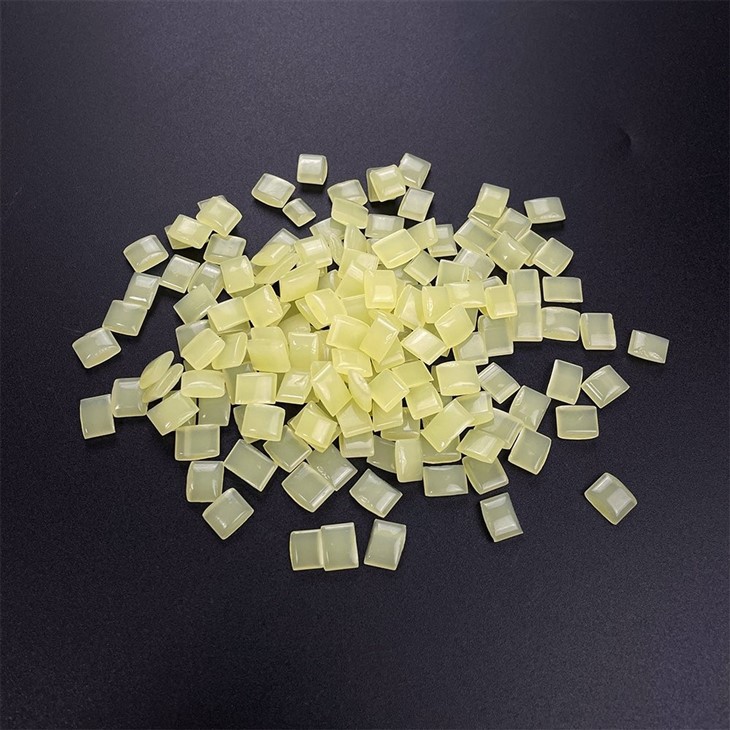

In addition, hot glue is flexible. It can withstand some bending and flexing without breaking, which is important for books that will be opened and closed frequently. This flexibility helps to prevent the pages from tearing away from the binding over time.
Disadvantages of Using Hot Glue for Book Binding
While hot glue has many advantages, it also has some limitations when it comes to binding books with hardcovers and dust jackets. One of the main drawbacks is its durability. Over time, hot glue can become brittle and start to crack, especially if it's exposed to heat, humidity, or sunlight. This can cause the pages of the book to come loose and the binding to fail.
Another issue is that hot glue can be difficult to remove if you need to make changes to the book later on. Unlike some other types of adhesives, it doesn't dissolve easily in water or solvents, which means you may have to use a more aggressive method to remove it, such as scraping or sanding. This can damage the pages or the cover of the book.
Hot glue can also be messy. It can drip or smear if not applied carefully, which can affect the appearance of the book. Additionally, the glue gun can get hot and may cause burns if not handled properly.
Considerations for Using Hot Glue with Hardcovers and Dust Jackets
If you decide to use hot glue for binding a book with a hardcover and dust jacket, there are a few things you need to keep in mind. First, choose the right type of hot glue. There are different formulations of hot glue available, each with its own properties. For bookbinding, you'll want to use a glue that is specifically designed for this purpose, such as Hotmelt Glue For Bookbinding. This type of glue is usually stronger and more flexible than regular hot glue, and it's less likely to become brittle over time.
Second, prepare the surfaces before applying the glue. Make sure the pages of the book are clean and dry, and that the hardcover and dust jacket are free of any dirt or debris. This will help the glue to adhere better and create a stronger bond.
Third, apply the glue evenly. Use a steady hand and apply the glue in a thin, continuous line along the spine of the book. Avoid applying too much glue, as this can cause it to drip or smear.
Finally, allow the glue to cool and set completely before handling the book. This will ensure that the bond is strong and that the pages of the book stay together firmly.
Alternatives to Hot Glue for Book Binding
If you're not sure whether hot glue is the right choice for your bookbinding project, there are other options available. One alternative is Sided Bookbinding Adhesive, which is a type of adhesive that is specifically designed for binding books. It's usually stronger and more durable than hot glue, and it's less likely to become brittle over time.
Another option is Hot Glue Book Melt, which is a type of hot glue that is formulated specifically for bookbinding. It has a lower melting point than regular hot glue, which makes it easier to work with and less likely to damage the pages of the book.
Conclusion
In conclusion, hot glue can be a suitable option for binding books with hardcovers and dust jackets, but it's important to weigh the pros and cons before making a decision. If you're looking for a quick and easy way to bind a book and don't need it to last for a long time, hot glue may be a good choice. However, if you're looking for a more durable and professional-looking binding, you may want to consider using a different type of adhesive.
As a supplier of hot glue for bookbinding, I'm here to help you choose the right product for your needs. If you have any questions or need more information, please don't hesitate to contact me. I'd be happy to discuss your project with you and provide you with the best possible solution.
If you're interested in purchasing hot glue for your bookbinding projects, I encourage you to get in touch. We offer a wide range of high-quality hot glue products that are specifically designed for bookbinding. Our team of experts can also provide you with advice and support to ensure that you get the best results from your binding projects.
References
- Bookbinding Basics: A Comprehensive Guide, Author Unknown, Publisher Unknown
- The Art of Bookbinding, John Smith, ABC Publishing, 2018
- Hot Glue: Properties and Applications, Jane Doe, XYZ Publications, 2020