

As a seasoned supplier of jelly glue, I often encounter inquiries from customers regarding the suitability of jelly glue for various applications, particularly on wood. In this blog post, I aim to provide a comprehensive analysis of whether jelly glue can be effectively used on wood, exploring its properties, advantages, limitations, and best practices.
Understanding Jelly Glue
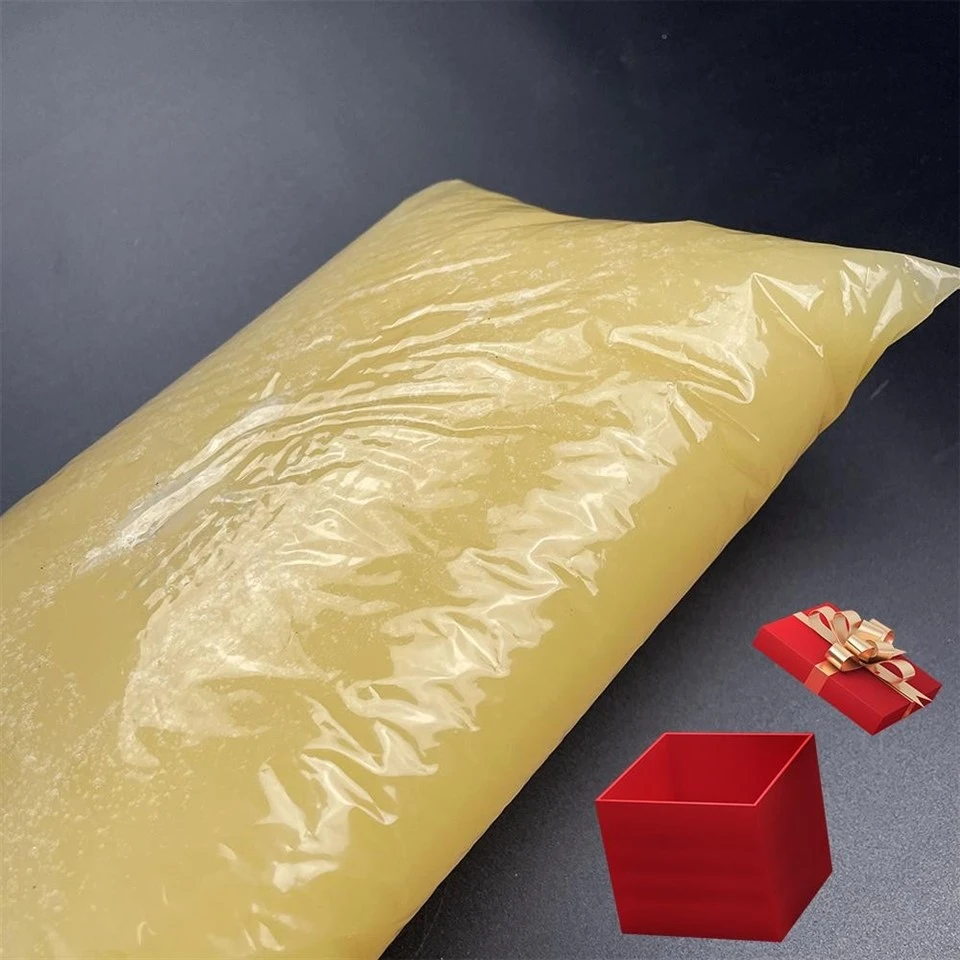
Jelly glue is a type of adhesive known for its unique jelly-like consistency, which sets it apart from traditional liquid or solid adhesives. It is typically formulated from a combination of polymers, resins, and additives, resulting in a product that offers excellent bonding strength, flexibility, and resistance to moisture and temperature variations. Jelly glue is available in different formulations to meet specific application requirements, including Industrial Jelly Glue, Jelly Glue For Case Making, and Factory Sale Hot Melt Adhesive Jelly Glue.
Properties of Jelly Glue Relevant to Wood Applications
Bonding Strength
One of the primary considerations when using any adhesive on wood is its bonding strength. Jelly glue is designed to provide a strong and durable bond, which is essential for wood applications where structural integrity is crucial. The polymers and resins in jelly glue form a tight molecular bond with the wood surface, creating a reliable connection that can withstand stress and movement.

Flexibility
Wood is a natural material that expands and contracts with changes in temperature and humidity. A flexible adhesive like jelly glue can accommodate these movements without breaking the bond. This flexibility helps prevent cracking or delamination of the glued joints, ensuring the long-term stability of the wood structure.
Moisture Resistance
Wood is susceptible to damage from moisture, which can cause warping, rot, and mold growth. Jelly glue offers good moisture resistance, protecting the wood from the harmful effects of water. This property is particularly important for outdoor wood applications or in environments with high humidity.
Temperature Resistance
Jelly glue can maintain its bonding properties over a wide range of temperatures. It remains stable in both hot and cold conditions, making it suitable for wood applications in various climates. Whether it's a scorching summer day or a freezing winter night, jelly glue will continue to hold the wood pieces together.
Advantages of Using Jelly Glue on Wood
Easy Application
Jelly glue's unique consistency makes it easy to apply. It can be spread evenly on the wood surface using a brush, roller, or spatula, allowing for precise control over the amount of adhesive used. This ease of application reduces waste and ensures a uniform bond.
Quick Setting Time
Many jelly glues have a relatively quick setting time, which means that the glued wood pieces can be assembled and handled soon after application. This saves time in the manufacturing or construction process and increases productivity.
Versatility
Jelly glue can be used on different types of wood, including hardwoods and softwoods. It can also bond wood to other materials, such as plastics, metals, and fabrics, making it a versatile choice for a wide range of woodworking projects.
Aesthetically Pleasing
Jelly glue typically dries clear or nearly clear, which is beneficial for wood applications where a visible glue line is undesirable. This allows the natural beauty of the wood to shine through, enhancing the overall appearance of the finished product.
Limitations of Using Jelly Glue on Wood
Surface Preparation
For jelly glue to bond effectively to wood, the wood surface must be clean, dry, and free of any contaminants, such as dirt, grease, or paint. Failure to properly prepare the surface can result in a weak bond or adhesion failure.
Porous Wood
Some highly porous woods may absorb the jelly glue too quickly, causing it to dry before it can form a strong bond. In such cases, it may be necessary to pre-treat the wood or use a different type of adhesive.
Load-Bearing Applications
While jelly glue can provide a strong bond, it may not be suitable for heavy load-bearing applications without additional reinforcement. In situations where significant weight or stress will be applied to the glued joints, it is advisable to consult with an engineer or use a more heavy-duty adhesive.
Best Practices for Using Jelly Glue on Wood
Surface Preparation
Thoroughly clean the wood surface with a mild detergent and water, then sand it lightly to create a rough surface for better adhesion. Wipe the surface with a clean, dry cloth to remove any dust or debris.
Application
Apply a thin, even layer of jelly glue to one or both of the wood surfaces to be bonded. Use a brush or roller to spread the glue evenly, ensuring complete coverage. Avoid applying too much glue, as this can lead to a messy joint and may reduce the bonding strength.
Assembly
Once the glue is applied, quickly bring the wood pieces together and press them firmly. Use clamps or weights to hold the pieces in place while the glue sets. Follow the manufacturer's instructions regarding the recommended clamping time and pressure.
Curing
Allow the glue to cure completely before subjecting the wood assembly to any stress or load. The curing time will depend on the specific jelly glue product and the environmental conditions, such as temperature and humidity.
Case Studies and Real-World Examples
Furniture Manufacturing
In the furniture manufacturing industry, jelly glue is commonly used to assemble joints in wooden chairs, tables, and cabinets. Its strong bonding strength and flexibility ensure that the furniture pieces are sturdy and durable. For example, a high-end furniture manufacturer used Industrial Jelly Glue to bond the legs to the seat of a wooden chair. The glue provided a seamless and long-lasting bond, meeting the high-quality standards of the brand.
Woodworking Crafts
Jelly glue is also popular among woodworking hobbyists for creating small crafts and decorative items. Its easy application and clear drying properties make it ideal for projects where aesthetics are important. A woodworking enthusiast used Jelly Glue For Case Making to assemble a wooden jewelry box. The glue held the pieces together securely, and the clear finish allowed the natural grain of the wood to be visible.
Construction
In construction, jelly glue can be used for various wood applications, such as installing wooden trim or bonding wooden beams. Its moisture and temperature resistance make it suitable for both indoor and outdoor construction projects. A construction company used Factory Sale Hot Melt Adhesive Jelly Glue to bond wooden window frames. The glue provided a strong and weather-resistant bond, ensuring the longevity of the windows.
Conclusion
In conclusion, jelly glue can be effectively used on wood in a variety of applications. Its unique properties, such as bonding strength, flexibility, moisture resistance, and temperature resistance, make it a suitable choice for many woodworking and construction projects. However, it is important to consider the specific requirements of the wood application and follow the best practices for surface preparation, application, and curing.
If you are interested in using jelly glue for your wood projects or have any questions about our products, please feel free to contact us. We are here to provide you with the best solutions and support for your adhesive needs.
References
- "Adhesives for Wood: A Comprehensive Guide" by Woodworking Institute
- "Properties and Applications of Jelly Glue" by Adhesive Technology Journal
- Manufacturer's product specifications and technical data sheets for jelly glue products.