

Hey there! As a supplier of Jelly Glue Hot Melt Adhesive, I often get asked if our product can be used on glass. It's a great question, and today I'm going to dive deep into this topic to give you all the info you need.
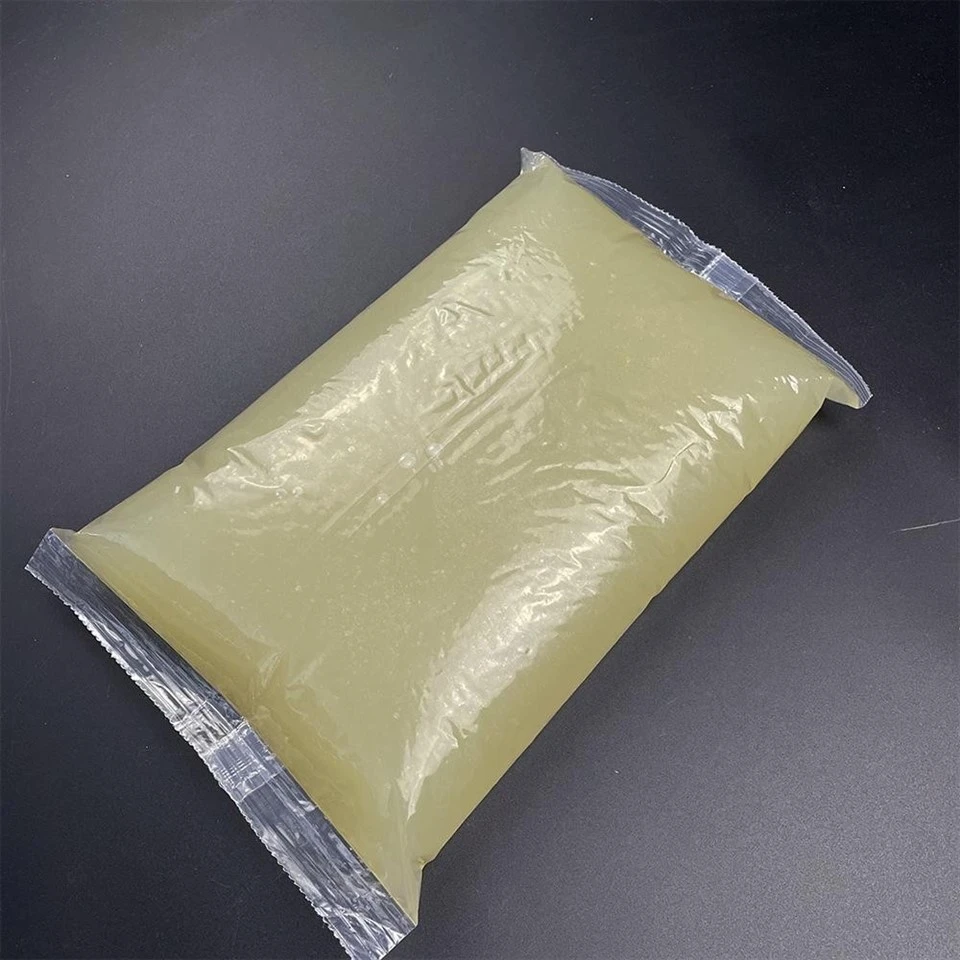
First off, let's talk a bit about what Jelly Glue Hot Melt Adhesive is. It's a type of adhesive that comes in a jelly - like form and melts when heated. Once it cools down, it forms a strong bond. It's known for its flexibility, good adhesion properties, and relatively fast setting time. It's commonly used in various industries like packaging, including for making Jelly Glue For Gift Box, Jelly Glue For Rigid Box, and Jelly Glue For Case Making.
Now, can it be used on glass? The short answer is yes, but there are some important things to consider.
Adhesion on Glass
Glass is a smooth and non - porous surface. For any adhesive to work well on glass, it needs to be able to form a good bond with this type of surface. Our Jelly Glue Hot Melt Adhesive has certain characteristics that make it suitable for glass in some situations.
One of the key factors is the chemical composition of the adhesive. Our glue contains polymers that can interact with the glass surface. When the hot melt adhesive is applied in its molten state, these polymers can spread out and form weak chemical bonds with the glass molecules. As the glue cools and solidifies, these bonds become stronger, creating a decent hold.
However, the adhesion strength can vary depending on the type of glass. For example, tempered glass has a different surface structure compared to regular float glass. Tempered glass has been heat - treated, which gives it a more uniform and sometimes slightly rougher surface at a microscopic level. This can actually be beneficial for the adhesive as it provides more surface area for the glue to grip onto. Regular float glass, on the other hand, is very smooth, and the adhesive may have a slightly harder time forming a strong bond.
Surface Preparation
Surface preparation is crucial when using our Jelly Glue Hot Melt Adhesive on glass. Before applying the glue, the glass surface must be clean. Any dirt, dust, grease, or fingerprints can significantly reduce the adhesion strength. You can clean the glass using a mild glass cleaner and a lint - free cloth. Make sure to dry the glass thoroughly before applying the adhesive.
Another aspect of surface preparation is roughening the glass surface slightly. This can be done using fine - grit sandpaper or a glass etching solution. By creating a slightly rough surface, you increase the surface area available for the adhesive to bond to, which in turn improves the adhesion strength. But be careful not to over - roughen the glass, as this can damage its appearance.
Application Process
The application process also plays a big role in the success of using our Jelly Glue Hot Melt Adhesive on glass. You need to heat the adhesive to the correct temperature. If it's not heated enough, it won't flow properly and may not spread evenly on the glass surface. If it's over - heated, it can degrade the adhesive and reduce its bonding properties.
When applying the molten glue to the glass, use a suitable applicator. A hot glue gun is a common choice. Make sure to apply the glue in a thin, even layer. If the layer is too thick, it may take longer to cool and set, and it can also lead to a messy finish. After applying the glue, quickly press the two surfaces together (if you're bonding two pieces of glass or glass to another material) and hold them in place until the glue sets.
Environmental Factors
Environmental factors can affect the performance of the adhesive on glass. Temperature and humidity are two important factors. In colder temperatures, the glue may set too quickly, which can prevent it from forming a proper bond. In very hot and humid conditions, the glue may take longer to set, and there's a risk of moisture affecting the adhesion.

It's best to apply the adhesive in a controlled environment with a temperature between 20 - 25°C (68 - 77°F) and a relative humidity of around 40 - 60%. This will ensure optimal performance of the adhesive.
Limitations
While our Jelly Glue Hot Melt Adhesive can be used on glass, it does have some limitations. For example, it may not be suitable for applications where the glass is exposed to high levels of stress or vibration. The bond created by the adhesive may not be strong enough to withstand these forces over time.
Also, if the glass is going to be exposed to extreme temperatures, either very hot or very cold, the adhesive may lose its effectiveness. High temperatures can cause the glue to soften and lose its bond, while very cold temperatures can make the glue brittle and more likely to crack.
Testing
Before using our Jelly Glue Hot Melt Adhesive on a large - scale glass project, it's always a good idea to do some small - scale testing. Take a small piece of glass and apply the adhesive to it. Then, test the bond strength by trying to pull the bonded parts apart gently. You can also expose the test sample to different environmental conditions to see how the adhesive performs.
If you're satisfied with the test results, you can proceed with your project. But if you encounter any issues, you may need to adjust the surface preparation, application process, or consider using a different type of adhesive.
Conclusion
In conclusion, our Jelly Glue Hot Melt Adhesive can be used on glass, but it requires proper surface preparation, correct application, and consideration of environmental factors. It's a great option for many glass - related projects, especially in the packaging industry where the glass is not subjected to extreme conditions.
If you're interested in using our Jelly Glue Hot Melt Adhesive for your glass projects or any other applications, we'd love to hear from you. Whether you have questions about the product, need more information on its performance, or want to discuss a potential purchase, don't hesitate to reach out. We're here to help you find the best adhesive solution for your needs.
References
- "Adhesives and Sealants Handbook" by Robert M. Evans
- "Surface Engineering for Adhesion" by K. L. Mittal