

As a seasoned supplier of jelly glue, I've received numerous inquiries from customers about the long - term performance of our product, especially whether jelly glue becomes brittle over time. In this blog, I'll delve into the science behind jelly glue, explore the factors that might lead to brittleness, and provide insights based on our extensive experience in the industry.
Understanding Jelly Glue
Jelly glue is a popular adhesive known for its unique gel - like consistency. It's widely used in various industries, including gift box making, handicrafts, and paper packaging. The main advantage of jelly glue lies in its ease of use. It can be applied easily with a brush or a dispenser, and it provides a strong bond once it dries.
One of the key components of jelly glue is polyvinyl acetate (PVA), a synthetic polymer. PVA is known for its excellent adhesive properties, flexibility, and water - solubility. When PVA is formulated into jelly glue, it forms a three - dimensional network that holds the glue together in a gel state. This network structure is responsible for the glue's initial flexibility and tackiness.
Theoretically, Should Jelly Glue Become Brittle?
Under normal circumstances, jelly glue is designed to maintain its flexibility over time. The PVA polymer chains in the glue are cross - linked in a way that allows them to move and stretch, which gives the glue its elastic properties. However, several factors can disrupt this cross - linked structure and cause the glue to become brittle.
Factors That Can Cause Jelly Glue to Become Brittle
1. Environmental Conditions
- Temperature: Extreme temperatures can have a significant impact on the properties of jelly glue. High temperatures can accelerate the evaporation of water from the glue, causing it to dry out faster. As the water content decreases, the polymer chains in the glue become more rigid, leading to brittleness. On the other hand, low temperatures can slow down the movement of the polymer chains, making the glue stiffer.
- Humidity: Humidity also plays a crucial role. In a low - humidity environment, the glue will lose moisture more quickly, which can result in brittleness. Conversely, in a high - humidity environment, the glue may absorb moisture, which can weaken the bond and cause it to become soft and sticky.
2. Chemical Exposure
- Solvents: Exposure to solvents such as alcohol, acetone, or other organic solvents can dissolve the PVA polymer in the glue. This can break the cross - links between the polymer chains, causing the glue to lose its flexibility and become brittle.
- Oxidizing Agents: Oxidizing agents like bleach or hydrogen peroxide can react with the PVA polymer, altering its chemical structure. This can lead to a loss of elasticity and an increase in brittleness.
3. Age and Shelf Life
- Over time, the chemical properties of jelly glue can change. Even if stored under ideal conditions, the polymer chains in the glue can gradually break down due to natural aging processes. This can result in a decrease in flexibility and an increase in brittleness. The shelf life of jelly glue typically ranges from 6 months to 2 years, depending on the formulation and storage conditions.
Our Product's Resistance to Brittleness
At our company, we understand the importance of maintaining the quality and flexibility of our jelly glue over time. We've invested heavily in research and development to formulate a jelly glue that is highly resistant to environmental factors and aging.
Our Gift Box Making Jelly Glue and Jelly Glue For Gift Box are formulated with high - quality PVA polymers and additives that enhance their stability. These additives help to protect the polymer chains from degradation caused by environmental factors and chemical exposure.
We also recommend proper storage conditions to our customers. Our jelly glue should be stored in a cool, dry place away from direct sunlight and sources of heat. The storage temperature should be between 10°C and 30°C, and the relative humidity should be between 40% and 60%.
Testing the Long - Term Performance of Our Jelly Glue
To ensure the long - term performance of our jelly glue, we conduct extensive testing in our laboratory. We simulate different environmental conditions, including high and low temperatures, humidity, and chemical exposure, to evaluate the glue's resistance to brittleness.
Our testing results have shown that our jelly glue maintains its flexibility and adhesive strength for an extended period when stored and used under recommended conditions. Even after prolonged exposure to adverse environmental conditions, the glue only shows minimal signs of brittleness.
Applications and the Impact of Brittleness
In gift box making and other applications where flexibility is crucial, brittleness can be a major issue. If the glue becomes brittle, it can crack or break, causing the bond between the materials to fail. This can lead to product defects and customer dissatisfaction.
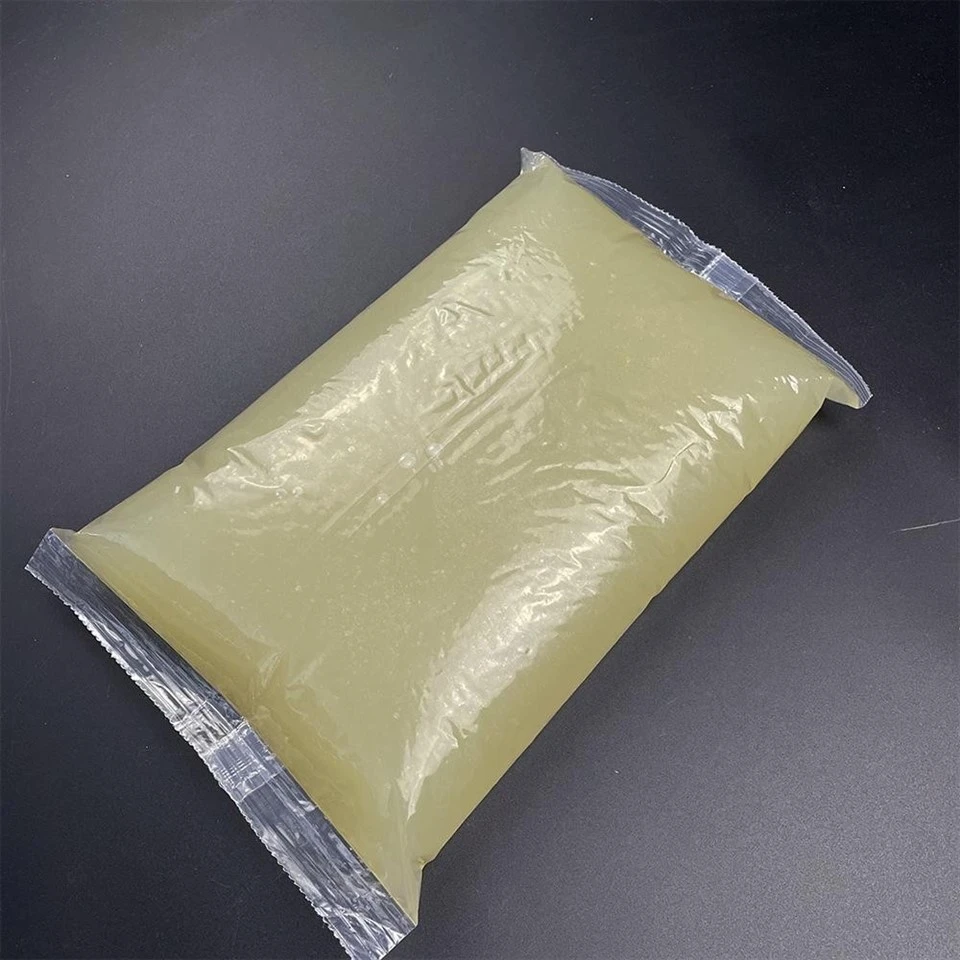

Our Wholesale Jelly Glue is specifically designed to meet the requirements of various industries. It provides a strong and flexible bond that can withstand the stresses and strains of different applications. Whether you're making delicate gift boxes or sturdy paper packaging, our jelly glue will ensure a reliable and long - lasting bond.
Conclusion
In conclusion, while jelly glue can potentially become brittle over time, our products are formulated to resist this issue. By understanding the factors that can cause brittleness and taking appropriate measures to store and use the glue, you can ensure its long - term performance.
If you're in the market for high - quality jelly glue that maintains its flexibility and adhesive strength, look no further. We're committed to providing our customers with the best products and services. Contact us today to discuss your specific requirements and start a procurement negotiation. We're confident that our jelly glue will meet your expectations and help you achieve excellent results in your projects.
References
- "Polyvinyl Acetate: Properties and Applications" by Polymer Science Journal
- "Adhesive Technology: A Comprehensive Guide" by Adhesive Research Institute
- Internal research reports from our company's R & D department