

Hey there! As a supplier of EVA hot melts for packaging, I often get asked how these nifty adhesives manage to stick so well to plastic films. It's a super interesting topic, and I'm stoked to break it down for you.
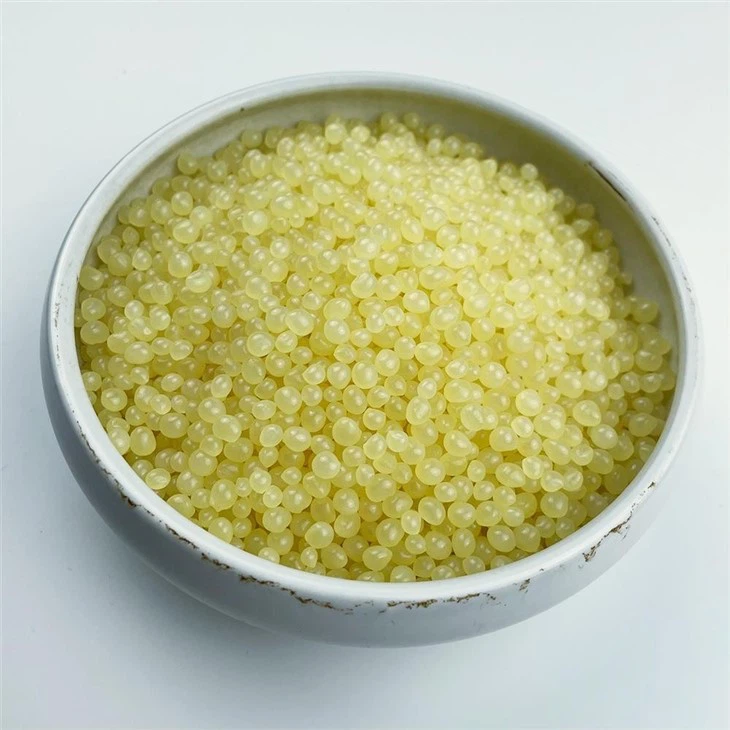
First off, let's talk about what EVA hot melts are. EVA stands for ethylene-vinyl acetate, which is a copolymer. This type of hot melt adhesive is popular in the packaging industry because it's versatile, cost - effective, and has a bunch of great properties. It can be used in all sorts of packaging applications, from sealing cartons to attaching labels on plastic films.
Now, onto the main question: how do EVA hot melts adhere to plastic films? Well, there are a few key factors at play here.
Surface Energy
One of the most important things is the surface energy of the plastic film. Surface energy is like a measure of how "sticky" a surface is at a molecular level. Different plastics have different surface energies. For example, polypropylene and polyethylene have relatively low surface energies, which means they're kind of "slippery" and harder for adhesives to stick to. On the other hand, materials like PET (polyethylene terephthalate) have a higher surface energy, making it easier for EVA hot melts to bond.

To improve the adhesion on low - surface - energy plastics, we often use surface treatment methods. One common method is corona treatment. Corona treatment uses a high - voltage electrical discharge to modify the surface of the plastic film. This creates polar groups on the surface, increasing its surface energy and making it more receptive to the EVA hot melt. It's like giving the plastic film a little "rough up" so the adhesive has something to grab onto.
Molecular Interactions
Another crucial aspect is the molecular interactions between the EVA hot melt and the plastic film. When the EVA hot melt is heated and applied to the plastic film, its molecules start to move around freely. These molecules can then interact with the molecules of the plastic film in a few different ways.
One type of interaction is van der Waals forces. These are weak, short - range forces that occur between all molecules. They're like little magnets that attract the EVA molecules to the plastic film molecules. Although van der Waals forces are relatively weak on their own, when there are a large number of them, they can contribute significantly to the adhesion.
There can also be hydrogen bonding in some cases. Hydrogen bonding occurs when a hydrogen atom in one molecule is attracted to an electronegative atom (like oxygen or nitrogen) in another molecule. If the plastic film has certain functional groups and the EVA hot melt has compatible groups, hydrogen bonding can form, providing a stronger bond between the two materials.
Wetting
Wetting is also a big deal. When we talk about wetting, we're referring to how well the EVA hot melt spreads out on the surface of the plastic film. If the hot melt can spread out evenly and cover the surface, it has a better chance of forming a strong bond.
The viscosity of the EVA hot melt plays a role in wetting. A lower - viscosity hot melt will flow more easily and spread out better on the plastic film. However, we also need to balance this with other properties. If the viscosity is too low, the hot melt might not hold its shape well or might seep out from the bonding area.
Temperature is another factor that affects wetting. When the EVA hot melt is heated to the right temperature, its viscosity decreases, allowing it to flow and wet the plastic film surface more effectively. But if the temperature is too high, it can cause the plastic film to deform or the EVA hot melt to degrade.
Compatibility
Compatibility between the EVA hot melt and the plastic film is essential. Different plastics have different chemical compositions, and the EVA hot melt needs to be formulated to be compatible with them. For example, if the plastic film has additives or coatings, the EVA hot melt should be able to interact with these components without causing any adverse reactions.
We at our company spend a lot of time researching and developing EVA hot melts that are compatible with a wide range of plastic films. We test our products on different types of plastics to make sure they adhere well and provide long - lasting bonds.
Applications in Packaging
Now that we've covered how EVA hot melts adhere to plastic films, let's talk about some of the specific packaging applications.
One common application is carton sealing. Carton Sealing Hot Melt Adhesive is used to seal the flaps of cartons made from various materials, including those with plastic film windows or laminates. The EVA hot melt provides a strong and reliable bond that keeps the carton closed during transportation and storage.
Another application is in the production of paper cans. Packing Hot Melt Glue Granules For Paper Can are used to bond the paper layers and any plastic film components in the paper can. This ensures that the can is sturdy and leak - proof.
We also have Adhesive For Straw, which is used to attach labels or other plastic components to straws. The EVA hot melt adheres well to the plastic straw material, providing a clean and durable bond.
Quality Control
To ensure that our EVA hot melts adhere well to plastic films, we have a strict quality control process. We test our products for various properties, such as adhesion strength, viscosity, and thermal stability. We use advanced testing equipment to measure these properties accurately.
We also conduct real - world simulations to see how our EVA hot melts perform under different conditions. For example, we might simulate the temperature and humidity changes that a packaged product might experience during transportation and storage. This helps us identify any potential issues and make adjustments to our formulations if needed.
Why Choose Our EVA Hot Melts
If you're in the market for EVA hot melts for packaging, there are a few reasons why you should consider our products.
First of all, we have a team of experienced chemists and researchers who are constantly working on improving our formulations. We stay up - to - date with the latest technologies and trends in the packaging industry to ensure that our products meet the highest standards.
Secondly, we offer a wide range of EVA hot melts that are suitable for different types of plastic films and packaging applications. Whether you're working with low - surface - energy plastics or high - performance films, we have a product that will work for you.
Finally, we provide excellent customer service. We're always happy to answer your questions, provide technical support, and help you choose the right EVA hot melt for your specific needs.
If you're interested in learning more about our EVA hot melts for packaging or want to discuss your specific requirements, don't hesitate to get in touch. We're eager to start a conversation and see how we can help you with your packaging needs.
References
- "Handbook of Adhesives" by I. Skeist
- "Adhesion Science and Engineering" edited by K. L. Mittal
- Various industry research papers on EVA hot melts and plastic film adhesion