

Hey there! As a supplier of EVA hot melts, I often get asked about the strength of the bond these adhesives can form. It's a crucial question, especially when you're looking for a reliable adhesive for your specific application. So, let's dive right in and explore just how strong the bond of EVA hot melts really is.
First off, what exactly are EVA hot melts? EVA stands for ethylene-vinyl acetate, and these hot melts are thermoplastic adhesives. That means they become liquid when heated and solidify as they cool down, creating a bond. They're known for their versatility and are used in a wide range of industries, from packaging to medical products.
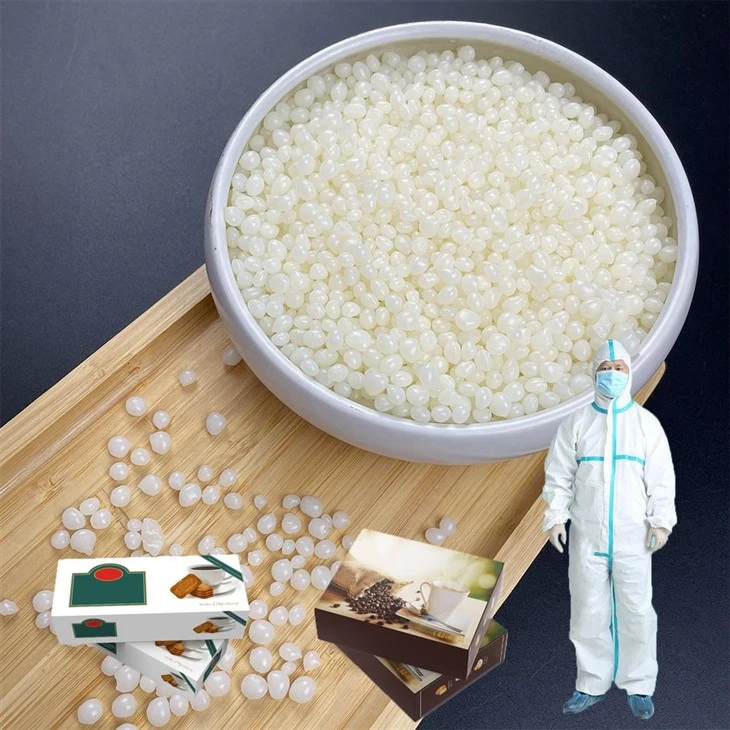
One of the key factors that determine the strength of an EVA hot melt bond is its formulation. Different formulations are designed to meet different needs. For example, some are made to have high initial tack, which means they stick quickly when applied. This is great for applications where you need an immediate bond, like in Fully Automatic Carton Sealing Hot Melt Adhesive. These adhesives can quickly seal cartons on high - speed production lines, and once they cool and solidify, they form a strong, long - lasting bond that can withstand the rigors of shipping and handling.
The strength of the bond also depends on the materials being bonded. EVA hot melts can bond well to a variety of substrates, including paper, cardboard, wood, and some plastics. When bonding to porous materials like paper and cardboard, the hot melt can seep into the pores, creating a mechanical interlock that adds to the bond strength. For non - porous materials like certain plastics, the adhesion is more based on the chemical interaction between the adhesive and the substrate.
In the packaging industry, the strength of EVA hot melts is put to the test every day. Cartons need to stay sealed during transit, whether they're being shipped across the country or just to the local store. Our EVA hot melts used in carton sealing are formulated to have excellent peel and shear strength. Peel strength refers to the force required to pull the two bonded materials apart at an angle, while shear strength is the force needed to slide the two materials past each other. A good EVA hot melt for carton sealing will have high values for both, ensuring that the cartons stay intact.
Another interesting application is in the pest control industry, specifically for Hot Melt Glue For Rat Killer. The adhesive needs to hold the rat trap components together firmly. It has to withstand the movement and force exerted by a trapped rat. Our EVA hot melts in this application are engineered to have a strong bond that won't break easily, even under stress. They also need to be resistant to environmental factors like humidity and temperature changes, which can affect the adhesive's performance.
In the medical field, Hot Melt Adhesive For Surgical Gown is a critical application. Surgical gowns need to provide a barrier against contaminants, and the adhesive used to bond the different layers of the gown plays a vital role. The bond strength of EVA hot melts in this case is essential to ensure that the gown remains intact during surgery. It also needs to be flexible so that it doesn't restrict the movement of the medical staff. Our EVA hot melts for surgical gowns are formulated to meet these strict requirements, providing a strong yet flexible bond.

The bonding strength can also be affected by the application process. Proper temperature control during application is crucial. If the hot melt is applied at too low a temperature, it may not flow properly and won't form a good bond. On the other hand, if it's too hot, it can degrade the adhesive and reduce its bonding strength. The pressure applied during bonding also matters. Applying the right amount of pressure helps to ensure good contact between the adhesive and the substrates, which in turn enhances the bond strength.
To measure the strength of the bond, various tests are conducted. Tensile strength tests, for example, involve pulling the bonded materials apart in a straight line to measure the maximum force they can withstand before breaking. Lap shear tests are used to measure the shear strength, where two materials are bonded in an overlapping pattern and then pulled in opposite directions parallel to the bond line. These tests help us to ensure that our EVA hot melts meet the required strength standards for different applications.
In addition to the mechanical strength of the bond, EVA hot melts also offer other advantages that contribute to their overall performance. They have good resistance to aging, which means the bond strength doesn't degrade significantly over time. They're also resistant to many chemicals, which is important in applications where the bonded materials may come into contact with different substances.
So, in conclusion, the bond of EVA hot melts can be incredibly strong when formulated and applied correctly. Whether you're in the packaging, pest control, medical, or other industries, our EVA hot melts can provide the reliable bonding solution you need.
If you're interested in learning more about our EVA hot melts or need to discuss a specific application for your business, don't hesitate to reach out. We're here to help you find the perfect adhesive for your needs and ensure that you get the strongest bond possible.
References
- "Handbook of Adhesives and Sealants" by CRC Press
- "Adhesive Bonding: Science, Technology, and Applications" by Elsevier