

In high - traffic areas such as libraries, schools, and public institutions, books are constantly being borrowed, returned, and handled. This high volume of use puts a significant strain on the book binding. A durable book binding is essential to ensure that books can withstand the rigors of frequent handling and remain intact over time. As a supplier of Book Binding Hot Melt Glue, I have in - depth knowledge of how to use this product to make book binding more durable in high - traffic areas.
Understanding the Challenges in High - Traffic Areas
In high - traffic environments, books face multiple challenges that can lead to binding failure. Frequent opening and closing can cause the pages to separate from the spine, and rough handling may result in the cover detaching. The humidity and temperature fluctuations in these areas can also affect the integrity of the binding. For example, in a library with a large number of patrons, books may be stored in areas with varying levels of humidity. High humidity can cause the glue to soften and lose its adhesive strength, while low humidity can make the glue brittle.
The Role of Hot Melt Glue in Book Binding
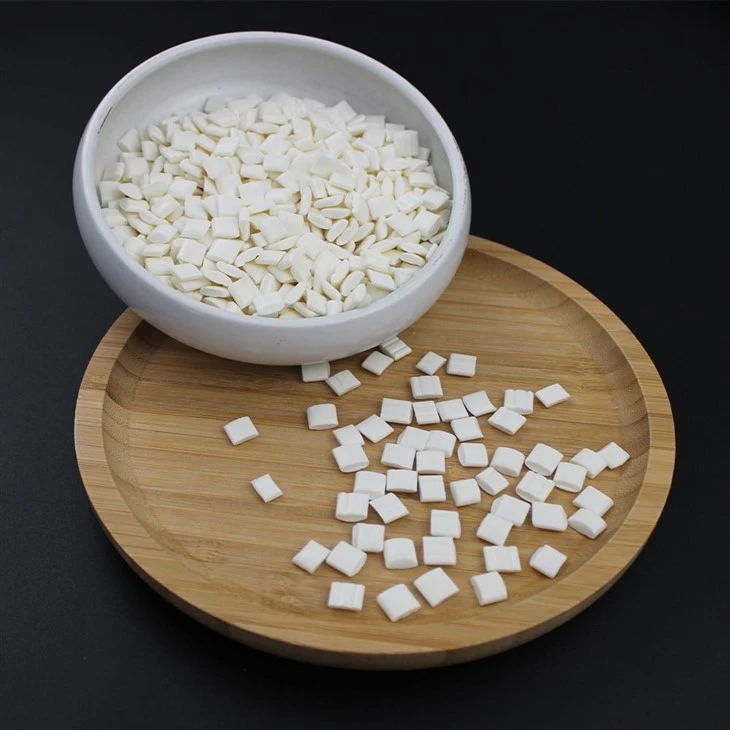
Hot melt glue is a popular choice for book binding due to its fast - setting properties and strong adhesive strength. When heated, it becomes a liquid that can be easily applied to the spine of the book, and it quickly solidifies upon cooling, binding the pages and the cover together.
Our Bookbinding Hot Melt Adhesive is formulated to provide excellent adhesion and flexibility. It can bond different types of materials, including paper, cardboard, and fabric, which are commonly used in book production. This versatility makes it suitable for a wide range of bookbinding applications, from paperback books to hardcover volumes.
Selecting the Right Hot Melt Glue
Not all hot melt glues are created equal, especially when it comes to book binding in high - traffic areas. When selecting a hot melt glue, several factors need to be considered:
- Adhesive Strength: The glue should have a high adhesive strength to ensure that the pages and the cover remain firmly attached. Our Spine Hot Glue Melt is designed to provide a strong bond that can withstand the repeated stress of opening and closing the book.
- Flexibility: A flexible glue is essential to prevent the binding from cracking or breaking. As books are frequently bent and flexed, a rigid glue may fail over time. Our glue has the right amount of flexibility to accommodate the movement of the pages without losing its adhesive properties.
- Resistance to Environmental Factors: The glue should be resistant to humidity, temperature changes, and UV light. In high - traffic areas, books may be exposed to different environmental conditions, and the glue needs to maintain its performance. Our Bookbinding Glue is formulated to be resistant to these factors, ensuring long - term durability.
Proper Application Techniques
Even the best hot melt glue will not perform well if it is not applied correctly. Here are some proper application techniques to ensure a durable book binding:
- Surface Preparation: The spine of the book should be clean and free of dust, grease, and debris. Any contaminants on the surface can reduce the adhesive strength of the glue. You can use a clean, dry cloth to wipe the spine before applying the glue.
- Temperature Control: The temperature at which the hot melt glue is applied is crucial. If the glue is too hot, it may damage the paper or cause it to warp. If it is too cold, it may not flow evenly and may not bond properly. Our glue has a recommended application temperature range, and it is important to follow these guidelines.
- Even Application: Apply the glue evenly along the spine of the book. Use a glue gun or a specialized bookbinding machine to ensure a consistent layer of glue. Avoid applying too much or too little glue, as both can affect the quality of the binding.
- Pressing and Cooling: After applying the glue, press the pages and the cover firmly together. This helps to ensure that the glue spreads evenly and makes good contact with the surfaces. Allow the glue to cool and solidify completely before handling the book.
Testing and Quality Assurance
To ensure the durability of the book binding, it is important to conduct regular testing. You can perform simple tests, such as opening and closing the book multiple times to check for any signs of separation. You can also expose the book to different environmental conditions, such as high humidity and temperature, to simulate real - world usage.
Our company conducts rigorous quality control tests on our Bookbinding Glue to ensure that it meets the highest standards. We test the adhesive strength, flexibility, and resistance to environmental factors to guarantee that our products can withstand the demands of high - traffic areas.
Maintenance and Repair
Even with the best - quality glue and proper application techniques, books may still require maintenance and repair over time. If you notice that the binding is starting to loosen or the pages are separating, you can use our hot melt glue to make repairs. Simply heat the glue, apply it to the affected area, and press the pages or the cover back together.
Cost - Effectiveness
Using our hot melt glue for book binding in high - traffic areas is not only effective but also cost - effective. Our products are competitively priced, and they can help reduce the cost of book replacement in the long run. By ensuring that books have a durable binding, you can extend their lifespan and save money on purchasing new books.

Conclusion
Making book binding more durable in high - traffic areas is a combination of selecting the right hot melt glue, using proper application techniques, and conducting regular testing and maintenance. Our Book Binding Hot Melt Glue is designed to meet the challenges of high - traffic environments, providing strong adhesion, flexibility, and resistance to environmental factors.
If you are in the business of book production or book repair, and you are looking for a reliable hot melt glue solution, we invite you to contact us for a consultation. Our team of experts can help you select the right product for your specific needs and provide you with technical support and advice.
References
- "Handbook of Adhesive Technology" by Skeist, I.
- "Bookbinding and the Conservation of Books: A Dictionary of Descriptive Terminology" by Johnson, D. A.