

As a supplier of EVA hot melts for packaging, I've witnessed firsthand the crucial role these adhesives play in various packaging applications. One of the most frequently asked questions from our customers is about the application temperature range of EVA hot melts for packaging. In this blog, I'll delve into this topic, exploring what the application temperature range is, why it matters, and how it impacts the performance of EVA hot melts in packaging.
Understanding EVA Hot Melts for Packaging
EVA, or ethylene-vinyl acetate, is a copolymer that is widely used in the production of hot melt adhesives for packaging. These adhesives are popular due to their excellent adhesion properties, flexibility, and fast setting times. They are used in a variety of packaging applications, including sealing cartons, bonding tapes, and attaching straws to beverage containers.
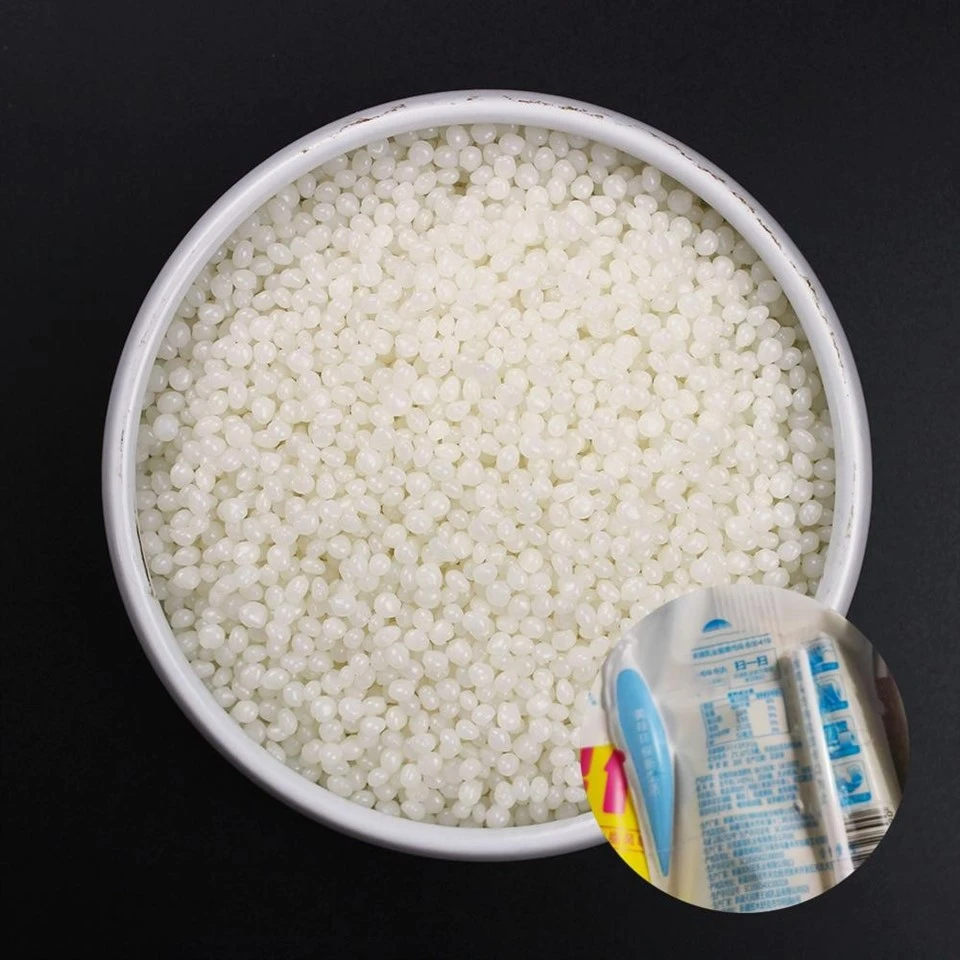
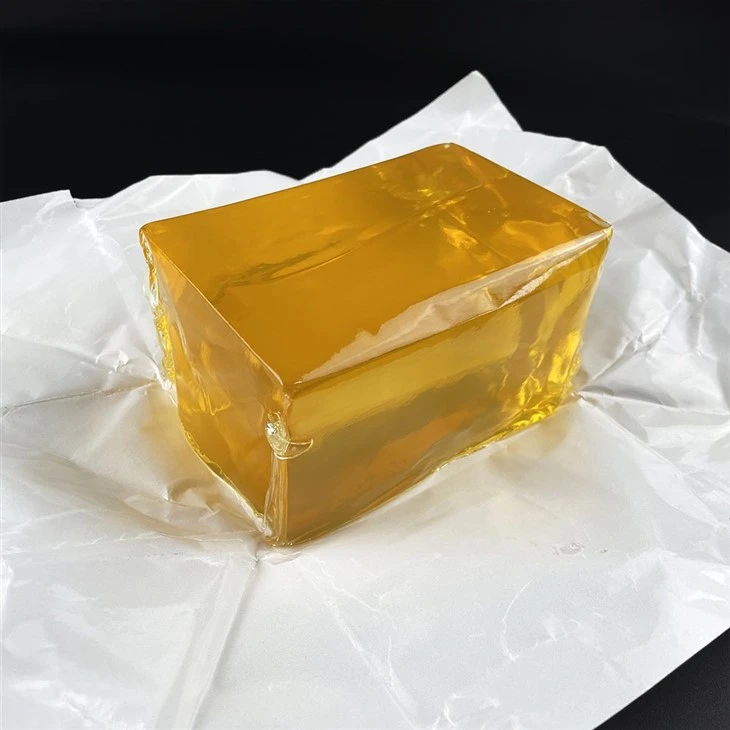
- Adhesive For Straw: This type of EVA hot melt is specifically formulated to bond straws to packaging materials securely. It needs to have good adhesion and flexibility to withstand handling and transportation.
- Tape Hot Melt Glue: Tape hot melt glue is used to bond tapes to various surfaces in packaging. It requires a fast setting time and strong adhesion to ensure the tape stays in place.
- Sealing Carton Hot Melt Glue: Sealing carton hot melt glue is used to seal cartons and boxes. It needs to have good flow properties and adhesion to create a strong seal that can withstand the rigors of shipping and storage.
The Application Temperature Range
The application temperature range of EVA hot melts for packaging typically falls between 120°C and 180°C (248°F and 356°F). However, this range can vary depending on the specific formulation of the adhesive and the requirements of the application.
- Lower Temperature End: At the lower end of the temperature range (around 120°C), the EVA hot melt has a higher viscosity, which means it is thicker and less fluid. This can be beneficial for applications where a more controlled flow is required, such as bonding small components or applying the adhesive in a precise pattern. However, at lower temperatures, the adhesive may take longer to set, and the adhesion strength may be slightly reduced.
- Higher Temperature End: At the higher end of the temperature range (around 180°C), the EVA hot melt has a lower viscosity, which means it is thinner and more fluid. This allows for better wetting of the substrate and faster setting times. However, excessive heat can cause the adhesive to degrade, resulting in reduced adhesion strength and a shorter shelf life.
Factors Affecting the Application Temperature Range
Several factors can affect the optimal application temperature range of EVA hot melts for packaging. These include:
- Substrate Material: Different substrate materials have different surface energies and melting points, which can affect the adhesion of the EVA hot melt. For example, materials with low surface energy, such as polypropylene, may require a higher application temperature to ensure good wetting and adhesion.
- Adhesive Formulation: The formulation of the EVA hot melt, including the type and amount of additives, can also affect its application temperature range. Some formulations may be designed to have a wider temperature range, while others may be optimized for specific temperature conditions.
- Application Method: The method of applying the EVA hot melt, such as spraying, extrusion, or roll coating, can also influence the optimal application temperature. For example, spraying requires a lower viscosity adhesive, which may require a higher application temperature.
Importance of Maintaining the Right Application Temperature
Maintaining the right application temperature is crucial for ensuring the optimal performance of EVA hot melts in packaging. Here's why:
- Adhesion Strength: The application temperature directly affects the adhesion strength of the EVA hot melt. If the temperature is too low, the adhesive may not flow properly and may not bond effectively to the substrate. On the other hand, if the temperature is too high, the adhesive may degrade, resulting in reduced adhesion strength.
- Setting Time: The application temperature also affects the setting time of the EVA hot melt. A higher temperature generally results in a faster setting time, which can increase production efficiency. However, if the temperature is too high, the adhesive may set too quickly, making it difficult to apply evenly.
- Shelf Life: Excessive heat can cause the EVA hot melt to degrade over time, reducing its shelf life. By maintaining the right application temperature, you can ensure that the adhesive remains stable and performs well throughout its shelf life.
Tips for Applying EVA Hot Melts at the Right Temperature
Here are some tips for applying EVA hot melts at the right temperature:
- Follow the Manufacturer's Recommendations: Always follow the manufacturer's recommendations for the application temperature range of the EVA hot melt. This will ensure that you achieve the best results and avoid any potential issues.
- Use a Temperature-Controlled Applicator: A temperature-controlled applicator, such as a hot melt gun or a hot melt dispenser, can help you maintain the right application temperature consistently. Make sure to calibrate the applicator regularly to ensure accurate temperature control.
- Test the Adhesive: Before applying the EVA hot melt to a large batch of products, it's a good idea to test it on a small sample to ensure that it adheres properly and sets at the desired rate. This will allow you to make any necessary adjustments to the application temperature or other parameters.
Conclusion
The application temperature range of EVA hot melts for packaging is an important factor that can significantly impact the performance of the adhesive. By understanding the optimal temperature range for your specific application and following the tips outlined in this blog, you can ensure that you achieve the best results and maximize the efficiency of your packaging operations.
If you have any questions about the application temperature range of our EVA hot melts for packaging or would like to discuss your specific requirements, please don't hesitate to contact us. We're here to help you find the right adhesive solution for your packaging needs.
References
- ASTM International. (2023). Standard Test Methods for Determining Viscosity of Hot-Melt Adhesives and Coating Materials. ASTM D3236-22.
- Finat. (2022). Technical Manual for Pressure-Sensitive Adhesive Tapes. 10th Edition.
- Pocius, A. V. (2002). Adhesion and Adhesives Technology: An Introduction. 2nd Edition. Wiley-Interscience.