

Can hot melt adhesive sticks be used on leather? That's a question I get a lot as a supplier of Hot Melt Adhesive Sticks. And the answer isn't a simple yes or no. Let's dig into this topic and find out all the ins and outs.
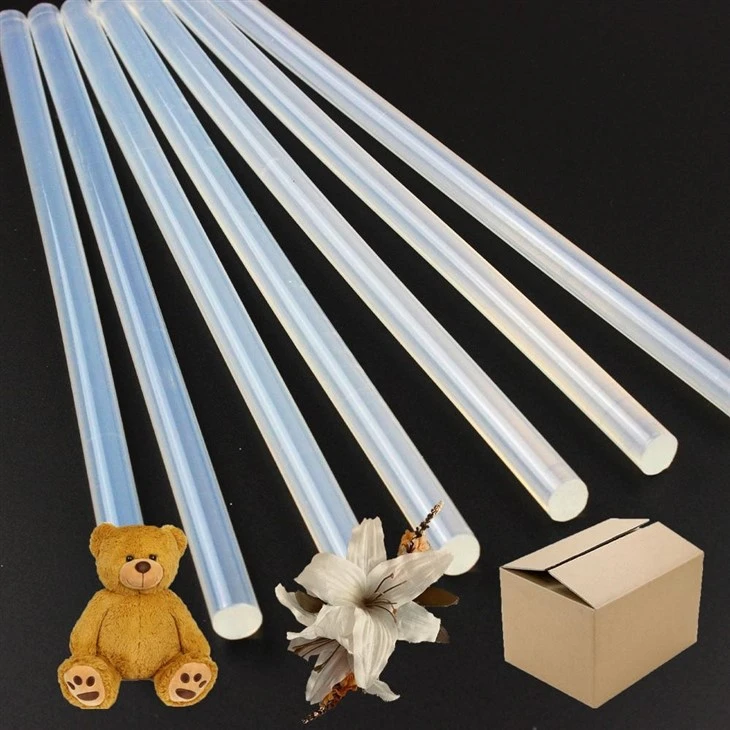
First off, let's talk about what hot melt adhesive sticks are. These things are super handy. You pop them into a hot glue gun, and in no time, they melt down and turn into a sticky substance that can bond all sorts of materials together. We've got different types, like the High Temperature Hot Melt Glue Stick, which can handle higher heat, and the Industrial Strength Hot Glue Sticks, which are designed for heavy - duty jobs. And of course, our general Hot Melt Adhesive Glue Sticks that are great for a wide range of applications.
Now, leather is a bit of a tricky material. It's natural, porous, and has a unique texture. Different types of leather, like full - grain, top - grain, and bonded leather, have different properties. Full - grain leather is the highest quality, with the natural grain and pores intact. Top - grain leather is sanded and refinished, and bonded leather is made from leather scraps glued together.
So, can you use hot melt adhesive sticks on leather? Well, in some cases, yes. For small DIY projects like attaching small decorations, patches, or beads to leather, hot melt adhesive can work just fine. The glue can bond quickly, and you can get the job done in no time. It's also easy to use, which is great if you're not a professional crafter.
But there are some downsides. One of the biggest issues is heat. Leather can be sensitive to high temperatures. When you're using a hot glue gun, the melted adhesive is pretty hot. If you apply it directly to the leather for too long or in too large of an area, it can damage the leather. The heat can cause the leather to dry out, crack, or change color. This is especially true for thin or delicate leather.
Another problem is flexibility. Leather is a flexible material, and it moves and bends a lot. Some hot melt adhesives can become brittle over time. When the leather flexes, the brittle glue can crack, which will break the bond. This is less of an issue for small, non - flexible attachments, but for larger areas or parts that need to bend, it can be a deal - breaker.
The type of hot melt adhesive also matters. Some adhesives are formulated to be more flexible and have better adhesion to porous materials like leather. When choosing a hot melt adhesive stick for leather, look for one that's labeled as suitable for flexible materials or has good bonding properties on porous surfaces. Our Industrial Strength Hot Glue Sticks are a good option because they're designed to have strong adhesion and can handle some flexibility.
If you're going to use hot melt adhesive on leather, here are some tips to make it work better. First, test the adhesive on a small, hidden area of the leather. This will let you see how the leather reacts to the heat and the adhesive. Let it dry completely and then check for any damage or discoloration.
Second, apply the glue sparingly. Instead of covering a large area with a thick layer of glue, use small dots or lines. This will reduce the amount of heat transferred to the leather and also make it easier to manage the bond.
Third, be quick. Don't let the hot glue sit on the leather for too long. Once you've applied the glue, quickly attach the item and hold it in place until the glue sets.
Now, let's talk about when you might not want to use hot melt adhesive on leather. For high - end leather products like luxury handbags or fine leather shoes, it's usually best to avoid hot melt adhesive. Professional leatherworkers use specialized adhesives that are formulated to be gentle on leather and provide a long - lasting, flexible bond. These adhesives are designed to work with the unique properties of leather and won't damage it.
For industrial applications where leather is used in large quantities, like in the automotive or furniture industries, hot melt adhesives may not be the best choice either. These industries require high - performance adhesives that can withstand heavy use, extreme temperatures, and long - term exposure. Our High Temperature Hot Melt Glue Stick might be suitable for some industrial applications, but it's important to test it thoroughly first.
In conclusion, hot melt adhesive sticks can be used on leather for some small - scale DIY projects, but there are limitations. You need to be careful about the heat, the flexibility of the adhesive, and the type of leather you're working with. If you're unsure, it's always a good idea to test the adhesive on a small area first.
If you're interested in using our hot melt adhesive sticks for your leather projects or other applications, we'd love to hear from you. Whether you're a hobbyist, a small - business owner, or a large - scale manufacturer, we have the right hot melt adhesive products for you. Get in touch with us to discuss your specific needs and find the best solution for your leather bonding requirements.
References

- Leather Industry Handbook: A guide to leather properties and manufacturing processes.
- Adhesive Technology Manual: Information on different types of adhesives and their applications.