

Certainly, here is a blog post discussing the use of white hot melt glue sticks for making dolls:
When it comes to doll - making, choosing the right adhesive is crucial for ensuring the durability and quality of your creations. As a supplier of White Hot Melt Glue Sticks, I often get asked if these products are suitable for doll - making. In this blog post, I'll explore the viability of using white hot melt glue sticks in doll - making, discuss their properties, advantages, and limitations.
Properties of White Hot Melt Glue Sticks
White hot melt glue sticks are typically made from ethylene - vinyl acetate (EVA) copolymers. These copolymers offer a range of beneficial properties. First of all, they have a relatively low melting point, usually around 120 - 180 degrees Celsius. This low melting point makes them safe and easy to use with common household glue guns.
The white color of these glue sticks is another important characteristic. It provides a clean and aesthetically pleasing finish, which is particularly important for doll - making. When the glue dries, it remains relatively transparent, ensuring that it doesn't detract from the overall appearance of the doll.
In terms of strength, white hot melt glue has decent bonding capabilities. It can adhere to a variety of materials commonly used in doll - making, such as fabric, plastic, wood, and some types of foam. The glue sets quickly, usually within a few seconds to a minute, allowing you to work efficiently on your doll - making projects.
Advantages of Using White Hot Melt Glue Sticks for Doll - Making
Aesthetic Appeal
As mentioned earlier, the white color of the glue stick offers a clean look. For dolls with light - colored fabrics or materials, a white glue will blend in better than a clear or colored glue. It gives a more professional and polished finish, especially when you are working on visible seams or joints.
Quick Setting Time
The fast - setting nature of white hot melt glue is a huge advantage in doll - making. You can quickly assemble different parts of the doll, such as attaching limbs to the body or adding accessories. This saves a significant amount of time, especially if you are working on multiple dolls or have a tight deadline.
Versatility
White hot melt glue can bond different materials together. Whether you are making a traditional cloth doll, a wooden doll, or a plastic - based doll, this glue can be used to attach various components. For example, you can use it to attach a fabric dress to a plastic doll body or to secure a wooden faceplate to a fabric - stuffed body.
Ease of Use
Using a white hot melt glue stick is relatively straightforward. All you need is a compatible glue gun. You simply insert the glue stick into the gun, heat it up, and squeeze the trigger to dispense the glue. It doesn't require any mixing or complicated preparation, making it accessible even for beginners in doll - making.

Limitations of Using White Hot Melt Glue Sticks for Doll - Making
Temperature Sensitivity
One of the main limitations of white hot melt glue is its sensitivity to temperature. In hot environments, the glue may soften or lose its bonding strength. This can be a problem if the doll is exposed to high temperatures during storage or display. On the other hand, in very cold temperatures, the glue may become brittle and crack, potentially causing parts of the doll to come loose.
Limited Flexibility
The cured glue has limited flexibility. For dolls that need to be posed or have a lot of movement, the inflexibility of the glue may cause problems. Over time, repeated bending or flexing of the glued joints can lead to the glue breaking or separating from the materials.
Bonding Strength for Heavy Materials
While white hot melt glue can bond a variety of materials, it may not be the best choice for very heavy or large - scale doll components. For example, if you are making a large, heavy - duty wooden doll, the glue may not provide sufficient strength to hold the parts together securely over the long term.
Alternatives and Complementary Products
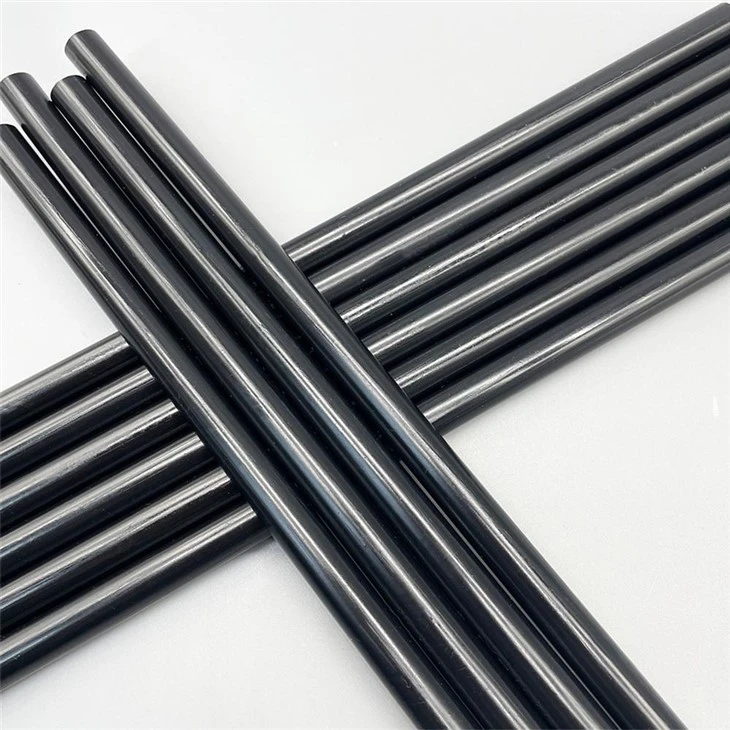
If you are concerned about the limitations of white hot melt glue, there are alternative products available. For example, the Black Hot Melt Glue Stick 11mm offers similar properties but in a different color. It may be more suitable for dolls with darker - colored materials.
For more heavy - duty applications, Industrial Glue Sticks can provide stronger bonding. These glue sticks are designed to handle more demanding tasks and may be a better option for dolls with large or heavy components.
If you need a glue that can handle a wider range of temperatures and has more flexibility, Glue Stick 7 - 11mm might be worth considering. They are formulated to offer better performance in different environmental conditions.
Tips for Using White Hot Melt Glue Sticks in Doll - Making
Surface Preparation
Before applying the glue, make sure the surfaces to be bonded are clean and dry. Remove any dust, dirt, or oils from the materials. This will ensure a better bond between the glue and the materials.
Test the Glue
Before using the glue on the actual doll, it's a good idea to test it on a scrap piece of the same material. This will allow you to see how the glue looks when it dries and how well it bonds. You can also check the setting time and the overall performance of the glue.
Apply the Right Amount of Glue
Using too much glue can lead to messy seams and may take longer to dry. On the other hand, using too little glue may result in a weak bond. Apply a thin, even layer of glue to ensure a strong and clean bond.
Conclusion
In conclusion, white hot melt glue sticks can be a great choice for doll - making, especially for small - scale projects and when aesthetic appeal is important. They offer a quick and easy way to bond different materials together, with a clean and professional finish. However, they do have some limitations, such as temperature sensitivity and limited flexibility.
If you are interested in exploring our range of white hot melt glue sticks or any of our other products for your doll - making needs, we encourage you to reach out for a procurement discussion. We are committed to providing high - quality glue products and can offer expert advice on choosing the right adhesive for your specific projects.
References
- "Handbook of Adhesives", Third Edition, Irving Skeist (Editor)
- "Adhesive Bonding: Science, Technology, and Applications", Second Edition, R. D. Adams, W. C. Wake, M. J. Comyn, and A. J. Kinloch